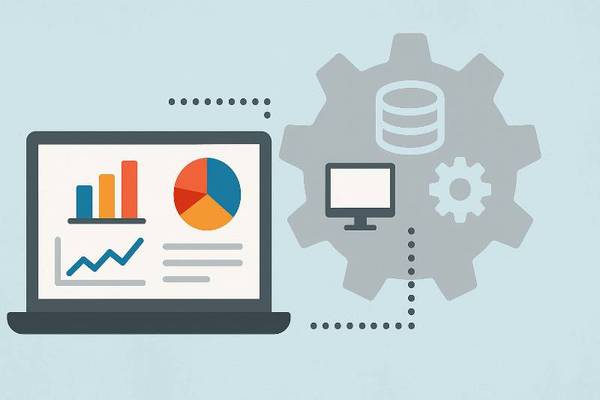
Integrating BI Tools Into Existing Systems
February 26, 2026 | By GenRPT
Introduction
In today’s data-driven world, organizations are constantly seeking ways to improve their data analytics capabilities and streamline reporting processes. One powerful solution that has emerged to meet this need is the integration of Business Intelligence (BI) tools into existing systems. This article explores the benefits and challenges of integrating BI tools, with a focus on how GenRPT, a leading company in efficient report automation, can help organizations enhance their data analytics and reporting efficiency.
About the Topic
Integrating BI tools into existing systems involves incorporating specialized software solutions that enable organizations to collect, analyze, and visualize data from various sources. These tools offer advanced data analytics capabilities, allowing businesses to gain valuable insights and make informed decisions based on data-driven evidence. By seamlessly integrating BI tools into their existing systems, organizations can enhance their business intelligence and optimize their reporting processes.
Importance of Integrating BI Tools
The integration of BI tools plays a crucial role in enhancing data analytics and report automation capabilities within organizations. By implementing a Business Intelligence tool like GenRPT, businesses can access real-time data insights, improve decision-making processes, and drive operational efficiency. These tools streamline the reporting process, allowing teams to generate reports quickly and accurately, ultimately saving time and resources.
Key Features of BI Tools Integration
One of the key features of integrating BI tools into existing systems is the ability to create customized dashboards and reports tailored to specific business requirements. Additionally, these tools offer data visualization capabilities, enabling users to interpret complex data sets more effectively. With efficient report automation provided by tools like GenRPT, organizations can schedule and distribute reports automatically, reducing manual work and ensuring timely delivery of critical insights.
Use Cases
Several industries benefit from integrating BI tools into their existing systems. For example, in the healthcare sector, BI tools help organizations analyze patient data, track treatment outcomes, and optimize resource allocation. E-commerce businesses utilize BI tools to monitor sales performance, forecast trends, and personalize customer experiences. By leveraging the power of BI tools, organizations across various sectors can improve operational efficiency and achieve strategic objectives.
Future Outlook
As technology continues to evolve, the future of integrating BI tools into existing systems looks promising. Advancements in artificial intelligence and machine learning are expected to enhance the predictive analytics capabilities of BI tools, allowing organizations to forecast trends and anticipate market changes more accurately. Additionally, the integration of BI tools with Internet of Things (IoT) devices will enable real-time data collection and analysis, opening up new possibilities for data-driven decision-making.
Conclusion
In conclusion, integrating BI tools into existing systems presents numerous benefits for organizations looking to enhance their data analytics and reporting processes. By partnering with GenRPT, a leading provider of efficient report automation solutions, businesses can efficiently integrate BI tools, streamline their reporting processes, and gain valuable insights from their data. With GenRPT’s advanced data analytics capabilities and streamlined reporting tools, organizations can unlock the full potential of their data and make informed decisions to drive strategic growth and success.