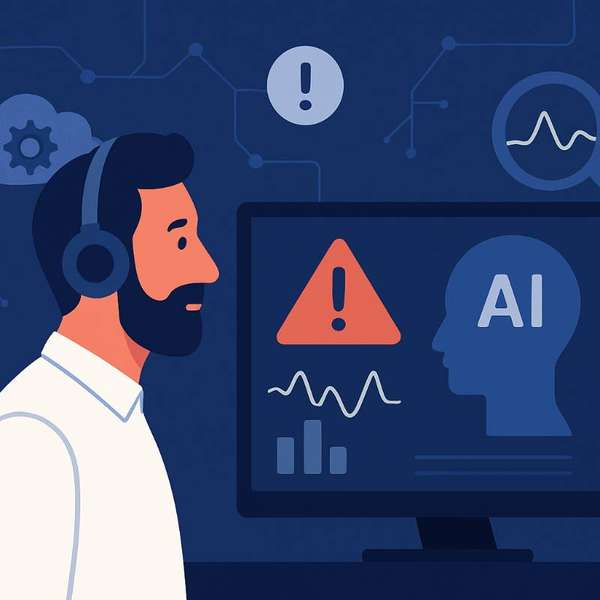
How Operations Teams Detect Problems Faster with AI
March 6, 2026 | By GenRPT
Operations teams are responsible for keeping systems, processes, and services running smoothly. In fast-moving business environments, identifying operational problems quickly is critical. Delays in detecting issues can lead to production disruptions, service interruptions, customer dissatisfaction, and financial losses.
Traditional monitoring methods often rely on manual checks or static dashboards that review historical data. While these approaches provide useful information, they may not always reveal problems as they begin to develop. As businesses generate larger volumes of operational data, it becomes more difficult for teams to manually track every signal.
Artificial intelligence is helping organizations address this challenge. By using AI analytics, advanced analytics, and data visualization, operations teams can monitor systems continuously and identify unusual patterns in real time. These technologies help teams detect issues earlier, understand potential causes, and respond more quickly.
Understanding the Role of AI in Operations
Artificial intelligence has introduced new ways for organizations to monitor and manage operational processes. Instead of manually reviewing reports or spreadsheets, AI-powered systems analyze large streams of data automatically.
AI analytics systems evaluate operational metrics such as machine performance, transaction activity, workflow patterns, and system logs. By analyzing these data points continuously, AI tools can detect anomalies or deviations that may signal emerging problems.
Advanced analytics techniques also help uncover deeper insights. These methods examine patterns within datasets and identify relationships between different operational variables. This allows teams to better understand how certain events or conditions may lead to performance issues.
Data visualization plays an important role in making these insights accessible. Dashboards, charts, and heatmaps convert complex data into visual representations that are easier to interpret. This helps operations teams quickly understand system conditions and prioritize actions.
Strategic Use of AI for Faster Problem Detection
Operations teams often implement AI-driven monitoring systems to improve the speed and accuracy of problem detection. Several approaches help maximize the effectiveness of these systems.
One approach is real-time monitoring and alert systems. AI models continuously analyze operational data streams and generate alerts when unusual patterns appear. For example, machine sensors in manufacturing environments can transmit performance data to analytics systems that flag potential mechanical failures before they disrupt production.
Another strategy involves predictive analytics for maintenance. By analyzing historical equipment data, AI models can forecast when machinery may require maintenance. This allows organizations to schedule repairs before failures occur, reducing downtime and extending equipment lifespan.
AI can also support data-driven root cause analysis. When problems arise, AI systems examine multiple datasets to identify potential contributing factors. This helps operations teams locate the underlying cause of an issue more quickly, reducing troubleshooting time.
Finally, visual analytics dashboards help teams monitor system health more efficiently. Color-coded alerts, trend indicators, and heatmaps allow operations staff to recognize priority issues and allocate resources accordingly.
Industry Use Cases
Many industries already use AI-powered monitoring systems to improve operational performance.
In manufacturing environments, AI systems analyze machine performance data from sensors embedded in production equipment. Early detection of irregular performance allows maintenance teams to intervene before a breakdown occurs.
Logistics and supply chain organizations also benefit from AI monitoring tools. Analytics systems track shipment progress, traffic conditions, and route efficiency to identify potential bottlenecks. These insights allow teams to reroute deliveries or adjust schedules when disruptions occur.
Data centers rely on AI to monitor server performance and network activity. By analyzing system logs and performance metrics, AI tools can detect unusual behavior that may indicate hardware failures or cybersecurity risks.
In each of these cases, AI analytics helps organizations respond to operational challenges more quickly and maintain stable system performance.
Future Developments in AI-Based Operations Monitoring
The use of artificial intelligence in operations management is expected to expand as technology continues to evolve. Future systems will likely combine predictive analytics, automation, and real-time monitoring to create more intelligent operational environments.
Advancements in machine learning will improve the accuracy of anomaly detection and forecasting models. AI systems will learn from past incidents and continuously refine their predictions about potential risks.
The integration of Internet of Things devices will also provide more detailed operational data. Sensors embedded in machines, vehicles, and infrastructure will generate continuous data streams that analytics systems can evaluate in real time.
At the same time, improvements in data visualization tools will help operations teams interpret insights more easily. Interactive dashboards and visual analytics platforms will make it simpler to explore complex operational data and identify patterns quickly.
These developments will help organizations move from reactive problem-solving toward more proactive operations management.
Conclusion
Detecting operational issues quickly is essential for maintaining reliable business processes. As organizations generate increasing volumes of operational data, traditional monitoring methods may not always provide the speed or depth of insight required.
By combining AI analytics, advanced analytics, and data visualization, operations teams can monitor systems more effectively and identify potential issues earlier. These tools provide continuous insights into system performance and help teams respond to problems before they escalate.
Platforms such as GenRPT support this shift by helping organizations analyze operational data more efficiently and convert it into meaningful insights. As AI technologies continue to evolve, they will play an increasingly important role in helping operations teams maintain stability, efficiency, and resilience.