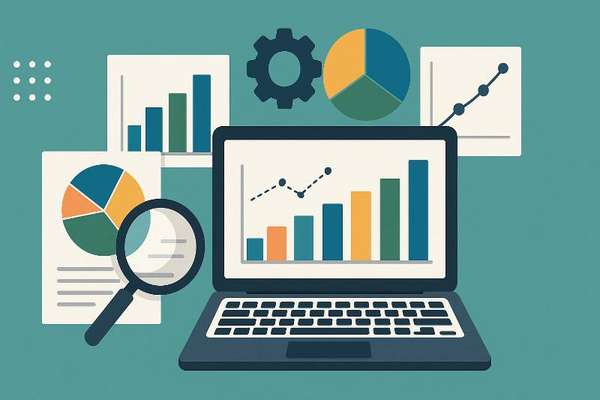
Building a Robust Data Analysis Framework
February 27, 2026 | By GenRPT
Introduction
In today’s fast-paced digital landscape, organizations are inundated with vast volumes of data. Extracting meaningful insights from this data is pivotal for strategic decision-making and maintaining competitive advantage. To accomplish this effectively, developing a robust data analysis framework is essential. Such a framework not only streamlines processes but also ensures accuracy and efficiency. It facilitates the transformation of raw data into actionable intelligence, enabling businesses to respond swiftly to market shifts. This comprehensive approach to data analysis integrates the latest tools and methodologies, including AI-driven insights, to produce high-quality reports rapidly. As a result, companies can achieve efficient report generation, saving time and resources while enhancing decision-making quality.
Understanding the Components of a Robust Data Analysis Framework
A solid data analysis framework rests on several key components. First, data collection must be thorough and systematic. Gathering data from diverse sources such as internal databases, customer feedback, or external market reports provides a comprehensive view of the relevant landscape. Next, data cleaning and validation are critical steps to eliminate inaccuracies and inconsistencies. This ensures that subsequent analysis rests on reliable information.
The core of the framework involves data analysis techniques. Traditional statistical tools are complemented by modern algorithms that automate pattern recognition and predictive modeling. These techniques help uncover trends, correlations, and potential anomalies within the data. In addition, visualization tools play an important role in presenting findings clearly, making complex data understandable to stakeholders.
A crucial element of this framework is report generation. Efficient report generation allows organizations to disseminate insights promptly and in a manner tailored to different audiences. Automation in report creation reduces manual effort and accelerates the delivery process. Integrating AI-driven insights further enhances this capability by providing predictive analytics and deeper understanding, which support proactive decision-making.
Strategic Approach to Building an Effective Framework
Creating an effective data analysis framework involves a strategic approach that aligns technological capabilities with organizational goals. First, define clear objectives. Whether the focus is on market expansion, operational efficiency, or customer satisfaction, the framework should be designed to meet these aims.
Adopting scalable solutions is vital. As data volumes grow, the framework must accommodate increased storage, processing power, and analytical complexity. Cloud-based platforms and modular tools enable this scalability effectively. Implementing standardized processes for data management ensures consistency and quality across all analytical activities.
Another strategic aspect involves integrating automated tools that support AI-driven insights. Leveraging automation in data processing and report generation enhances efficiency and reduces human errors. It enables teams to focus on interpreting results and making strategic decisions rather than on manual data handling.
Training and collaboration are equally important. Ensuring that staff are proficient with analytical tools and methodologies ensures the framework’s effectiveness. Fostering collaboration across departments helps align insights with organizational strategies, leading to more impactful outcomes.
Use Cases Demonstrating a Strong Data Framework in Action
Many organizations have reaped benefits by implementing a resilient data analysis framework. For example, a retail company can analyze customer purchase patterns to optimize inventory levels and personalize marketing campaigns. Through efficient report generation, such insights can be disseminated quickly across marketing and supply chain teams, enabling rapid adjustments.
In the manufacturing sector, companies often deploy predictive maintenance strategies based on data collected from machinery. By leveraging AI-driven insights, they can anticipate failures before they occur, minimizing downtime. Automated reports detailed with critical metrics are invaluable for management to make informed operational decisions.
Financial institutions utilize robust data analysis frameworks to detect fraudulent activities promptly. Anomaly detection algorithms flag suspicious transactions, and automated reporting systems alert compliance teams instantly. This real-time insight maintains security and regulatory compliance effectively.
Future Outlook
Embracing Innovation for Continual Improvement
The future of building a robust data analysis framework lies in embracing emerging technologies and methodologies. Artificial intelligence and machine learning are increasingly sophisticated, enabling even deeper insights and predictive capabilities. As these tools evolve, the potential for advanced anomaly detection, customer segmentation, and scenario simulation expands.
Furthermore, advances in data visualization and interactive dashboards will make it easier for non-technical stakeholders to interpret complex data. Automation continues to streamline report generation, allowing for real-time updates and dynamic insights, strengthening organizations’ responsiveness.
Data governance and security will also become more central as data privacy regulations tighten. Developing frameworks that ensure compliance without hindering analysis processes will be a key focus.
Ultimately, integrating these innovations ensures that data analysis frameworks remain agile, scalable, and capable of supporting strategic growth. Organizations that proactively adapt to these trends will unlock the full potential of their data assets.
Conclusion
Building a robust data analysis framework is essential to harness the full potential of organizational data. It combines effective data collection, cleaning, analysis, and visualization techniques to produce insightful reports rapidly. Leveraging AI-driven insights and automated report generation enhances efficiency, allowing quicker strategic decisions. Companies that develop and refine such frameworks position themselves for sustained success in a data-driven world.
GenRPT supports the development of these frameworks by streamlining report generation, enabling efficient dissemination of insights and reducing manual effort. Its capabilities make it an invaluable tool for organizations aiming to build and maintain a resilient data analysis infrastructure. In doing so, businesses can stay ahead of market trends, optimize operations, and make informed decisions with confidence.