AI as the New Analyst: How Far Can Automation Go?
December 29, 2025 | By GenRPT
The role of the analyst has always been central to enterprise decision-making. Analysts interpret data, build models, explain performance, and translate numbers into insight. As Generative AI and agentic systems mature, a new question is emerging across enterprises. Can AI take on the analyst role, and if so, how far can automation realistically go?
The answer is nuanced. AI is not replacing analysts outright, but it is reshaping what analysis means and who does it.
Why the Analyst Role Is Changing
Traditional analysis involves a significant amount of manual effort. Analysts gather data from multiple systems, reconcile inconsistencies, build reports, and respond to ad hoc questions. Much of this work is repetitive and time-consuming.
At the same time, decision-makers expect faster answers and deeper insight. Reporting cycles are shortening, and static analysis is no longer sufficient.
Generative AI thrives in this environment. It can process large volumes of data, identify patterns, and generate explanations at a speed humans cannot match. This makes it well suited to automate large parts of the analytical workflow.
What AI Can Already Do Well
Today, AI systems can already handle many analyst tasks reliably.
They can aggregate data from structured and unstructured sources. They can monitor KPIs continuously and flag anomalies. They can generate narratives that explain trends, variances, and correlations. They can respond to questions in natural language and update insights as new data arrives.
In many organizations, this means AI is effectively acting as a first-level analyst, handling routine analysis and information requests.
This does not diminish the analyst role. It elevates it.
The Limits of Full Automation
Despite its capabilities, AI has limits. It does not possess business judgment, strategic intuition, or accountability. It can explain what happened and suggest what might happen next, but it cannot own decisions or understand organizational nuance in the way humans do.
Complex trade-offs, ethical considerations, and long-term strategic thinking still require human expertise. AI can support these processes, but it cannot replace them entirely.
Enterprises that attempt to automate analysis without human oversight risk blind spots and overconfidence in automated outputs.
Analyst as Supervisor, Not Operator
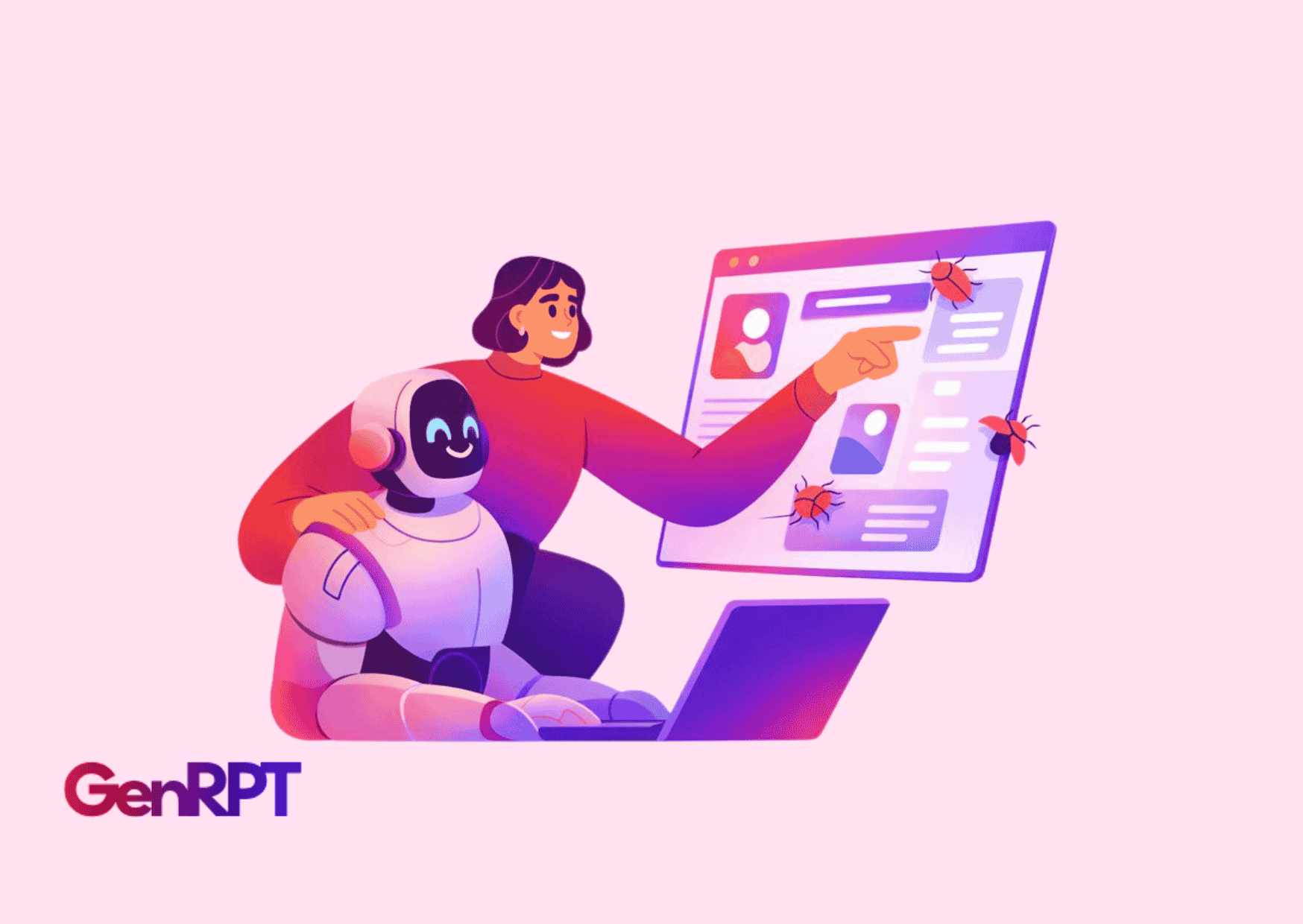
As AI takes on more analytical work, the analyst’s role shifts from operator to supervisor.
Analysts increasingly define assumptions, validate outputs, challenge insights, and guide interpretation. They focus on asking better questions rather than producing more reports.
This shift mirrors earlier transitions in enterprise technology. Spreadsheets did not eliminate finance professionals. They changed how finance work was done.
AI is now doing the same for analysis.
Agentic Workflows Make AI a Reliable Partner
The most effective AI analysts are built on agentic workflows. These workflows allow AI systems to decompose complex analysis into steps, apply governance rules, and coordinate tasks across data sources.
For example, an AI analyst may detect a revenue anomaly, investigate contributing factors, generate an explanation, and suggest follow-up analysis. If new data appears, it revisits the conclusion.
This structured approach makes AI outputs more reliable and easier for humans to trust and supervise.
Trust, Explainability, and Accountability
For AI to function as an analyst, trust is critical. Enterprises need to understand how conclusions are reached and ensure they align with business logic and regulatory requirements.
Explainability is not optional. AI-generated insights must be traceable to data sources and assumptions. Analysts need visibility into the reasoning process so they can validate or challenge results.
Accountability remains human. AI provides support, not authority.
How Far Can Automation Go?
Automation can go very far in execution, but not in ownership.
AI will increasingly handle data preparation, monitoring, explanation, and first-pass analysis. Human analysts will focus on judgment, context, and decision-making.
The future analyst role is more strategic, not less relevant.
The Bigger Shift
This evolution is part of a broader transformation in enterprise reporting and analytics. Analysis is becoming continuous, conversational, and collaborative. AI is embedded into workflows rather than bolted onto tools.
Enterprises that embrace this model gain speed without sacrificing rigor.
Those that resist it will struggle to keep up with the pace of modern decision-making.
GenRPT enables this new model by using Agentic Workflows and Generative AI to automate analytical execution while keeping humans firmly in control, turning AI into a trusted analyst partner rather than a black box.